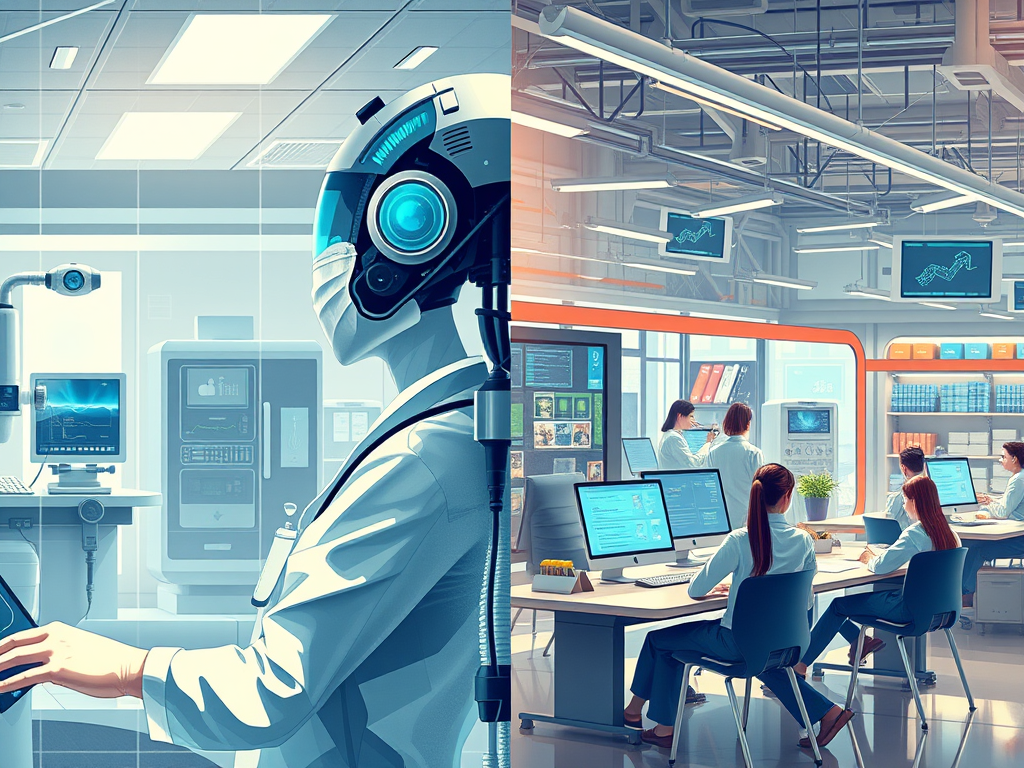
Artificial Intelligence (AI) is transforming every aspect of our world, and higher education is no exception. From personalized learning experiences to administrative automation, AI is poised to reshape colleges and universities for the better. In this blog post, we’ll dive into the impact of AI on higher education, exploring the benefits, challenges, and what the future may look like.
One of the most significant shifts AI brings to higher education is the creation of personalized learning journeys for students. Through the use of data analytics and machine learning algorithms, universities can:
These advancements empower students to learn at their own pace, ensuring that no one is left behind or forced to move too quickly.
AI-driven virtual assistants and smart tutoring systems are becoming essential learning companions. They can:
With 24/7 support, students receive guidance precisely when needed, fostering independence and confidence.
AI isn’t just enhancing learning; it’s revamping the administrative side of higher education. Automation tools powered by AI can:
These efficiencies allow faculty and staff to focus on higher-value activities like teaching and research.
The rise of AI in education means universities collect vast amounts of sensitive data about students. Protecting this data is crucial. There are concerns surrounding:
AI systems can inadvertently perpetuate biases present in their training data. In higher education, this can impact admissions, grading, and support systems:
Implementing AI requires a significant shift in mindset and skill sets for both faculty and students. The key challenges include:
As AI tools become more sophisticated, curriculum development will evolve. AI can help educators:
Adaptable curricula will position students for success in rapidly changing career landscapes.
Combining AI with technologies like virtual reality (VR) and augmented reality (AR) will redefine experiential learning. Imagine:
These immersive experiences make learning more engaging and effective, regardless of location.
AI will facilitate the shift toward lifelong learning by making it easier to develop, deliver, and assess micro-credentials—short, focused courses that teach specific skills. Students and professionals can:
This adaptability ensures higher education remains relevant in an increasingly dynamic job market.
To thrive in the coming AI-driven era, higher education institutions must embrace innovation and invest in technology and training. Key strategic steps include:
The marriage of AI and higher education is unlocking new possibilities, from personalized learning and administrative efficiency to preparing students for an ever-changing workforce. By adopting ethical principles, investing in technology, and fostering a culture of innovation, the academic world can confidently step into a smarter and more inclusive future.
Stay tuned as we continue to explore how artificial intelligence is propelling education forward—revolutionizing the classroom, supporting lifelong learners, and building the universities of tomorrow.
View all